“Gunda Dhur – The Flame of Tribal Resistance”

Enduring Courage

Legacy Overview

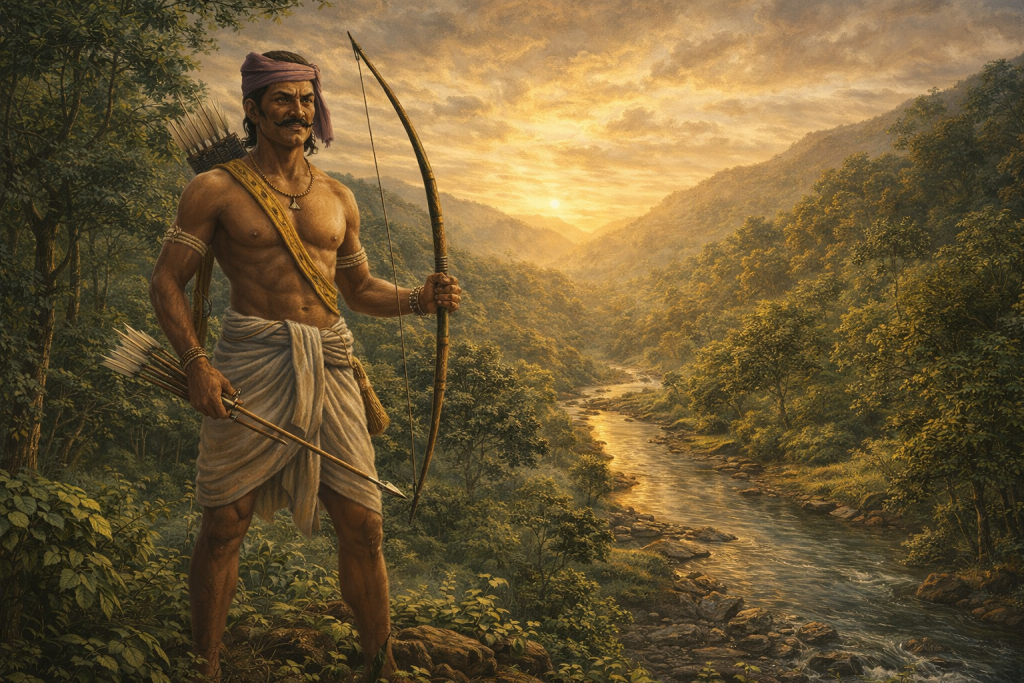
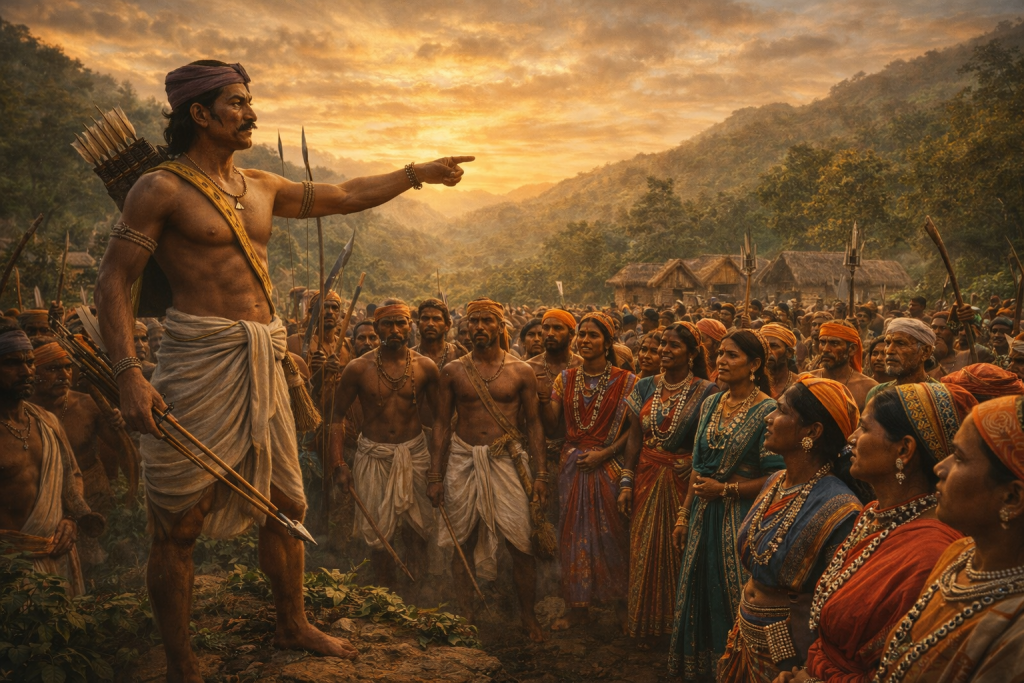
Gunda Dhur remains one of the most powerful symbols of tribal resistance in India’s freedom struggle. Though the Bhumkal Rebellion of 1910 was eventually suppressed, his courage ignited a lasting spirit of unity and self-respect among the tribal communities of Bastar.


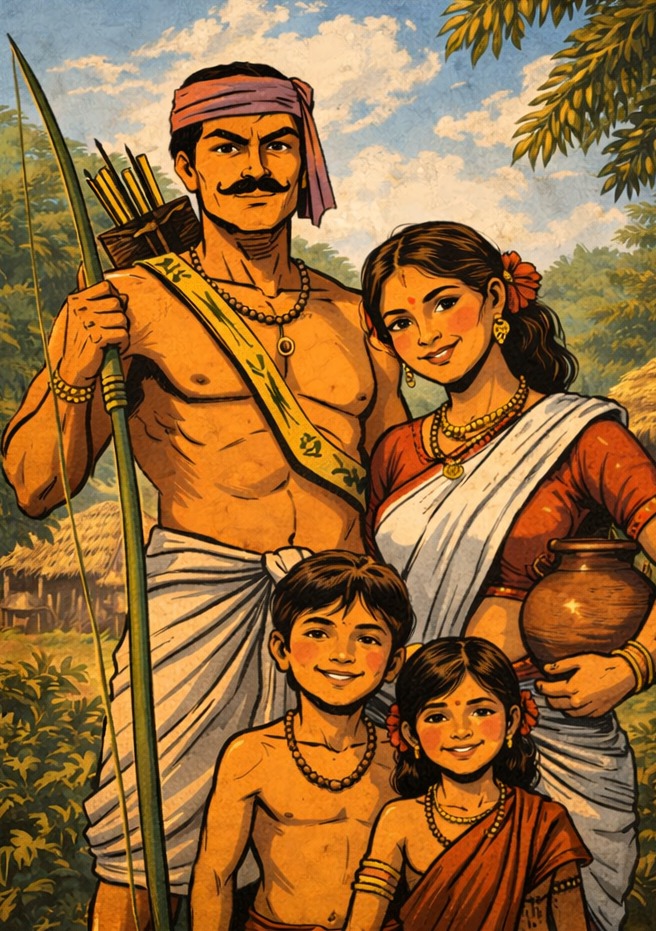
Gunda Dhur’s legacy is not Gunda Dhur only about rebellion—it is about identity, dignity, and rights over land and forests. At a time when colonial policies threatened traditional lifestyles, he stood firmly for the protection of tribal culture, customs, and autonomy.
Defining Legacy

Key Highlights

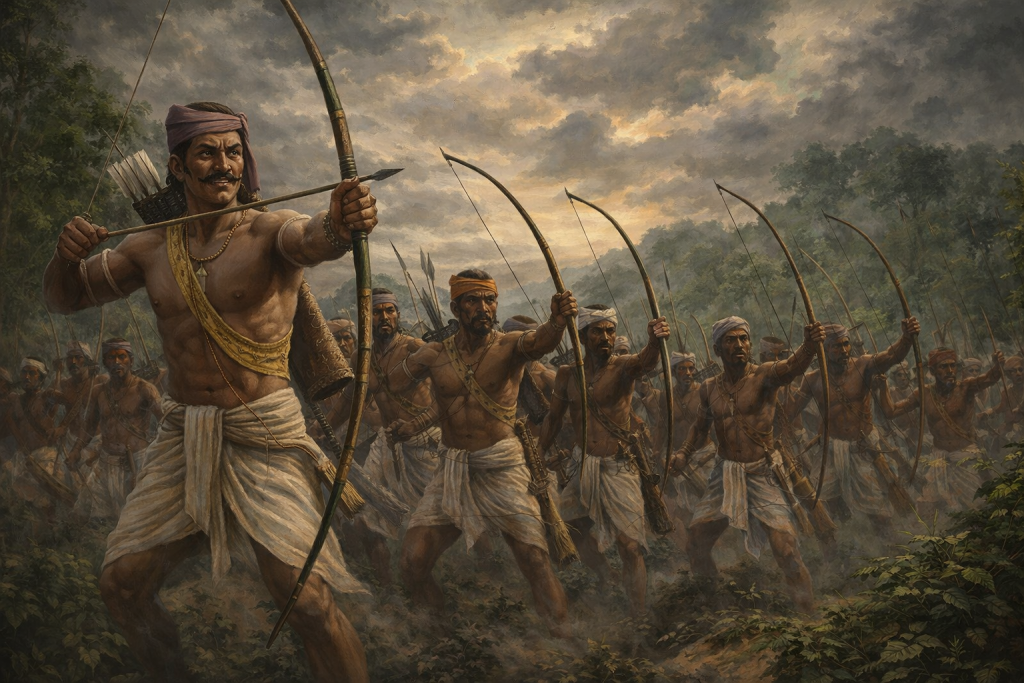
Gunda Dhur was a fearless tribal leader who led the historic Bhumkal Rebellion of 1910 in Bastar against British rule. He united indigenous communities to protect their land, forests, and cultural identity. His bravery made him a lasting symbol of resistance, tribal pride, and the fight for justice.

Leader of the Bhumkal Rebellion

Protector of Jal, Jungle, Zameen

Symbol of Tribal Unity

Explore Legacy

Quick Navigation Links

About

Gunda Dhur was a brave tribal freedom fighter from Bastar who led the historic Bhumkal Rebellion of 1910 against British rule and became a lasting symbol of courage, resistance, and tribal pride.

Movement

The movement was a powerful tribal uprising against British forest laws, heavy taxation, and interference in traditional governance, organized to protect land, forests, culture, and the identity of the tribal community.

Timeline

The timeline of the movement begins with rising unrest during 1908–1909, followed by the organized rebellion in February 1910, and ends with the suppression of the uprising in mid-1910.

Scroll to Top